An Innovative Approach to Education Developed at the Institute for Humane Education
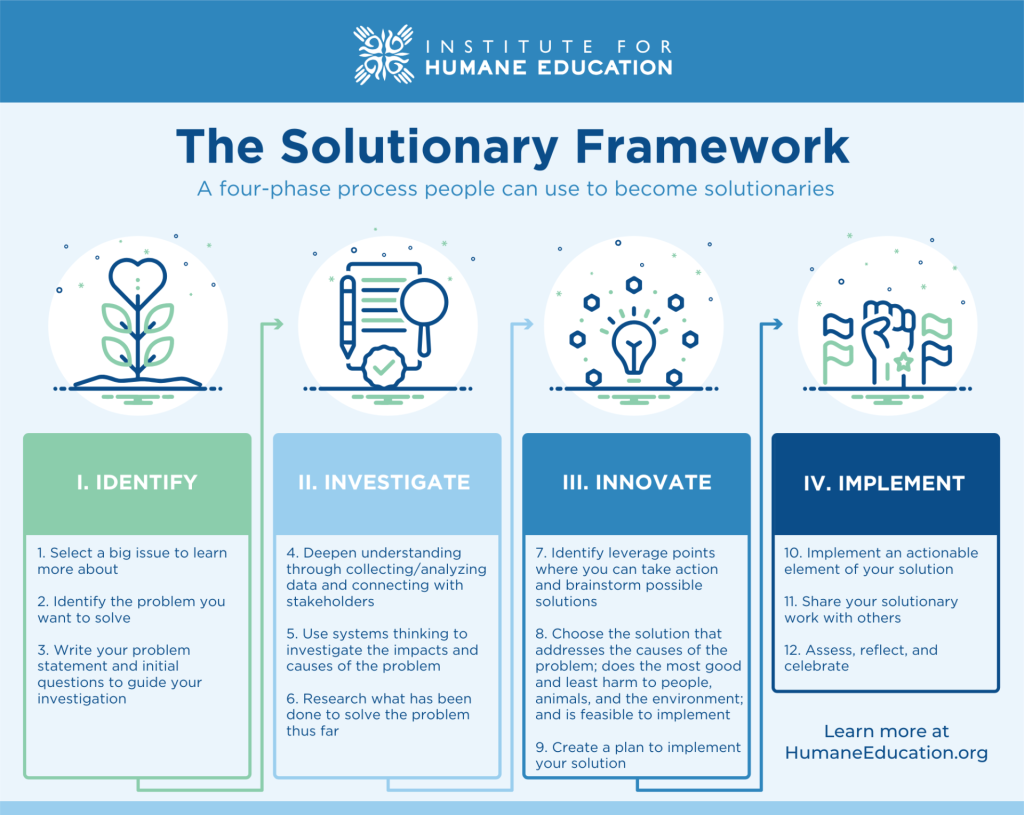
Overview: The Solutionary Framework, created by Zoe Weil under the Institute for Humane Education, is a structured, four-phase approach (see graphic below) that teaches students to identify systemic problems and create ethical, actionable solutions benefiting people, animals, and the environment.
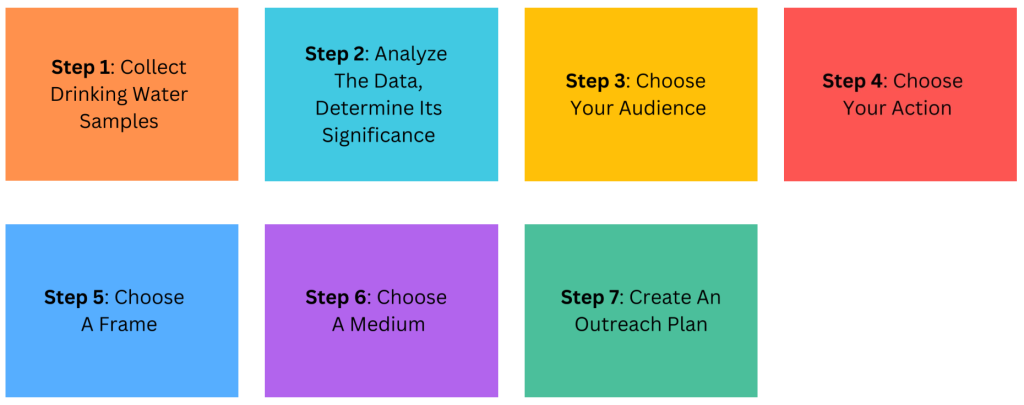
Overlap with the AllAboutArsenic+ project: The Solutionary Framework aligns with our approach yet differs in scope—students select broad issues and define a specific problem to solve, while our project focuses on drinking water. We welcome teachers to adopt or adapt any of the principles of the Solutionary framework to support their work on the AllAboutArsenic+ project!
What is a Solutionary? A Solutionary is an individual who identifies unjust or unsustainable systems and works to change them, not just relieve their effects—while still addressing immediate needs when necessary.
Purpose & Benefits: The Solutionary Framework builds critical, systems, and creative thinking, preparing learners to tackle real-world challenges locally and globally. It also fosters ethical reasoning, compassion, and collaboration.
Application in the Classroom: Flexible and cross-disciplinary, it can be integrated into subjects like science, social studies, and the arts, supporting project-based, student-driven learning.
The AllAboutArsenic+ Framework
One Teacher’s Story
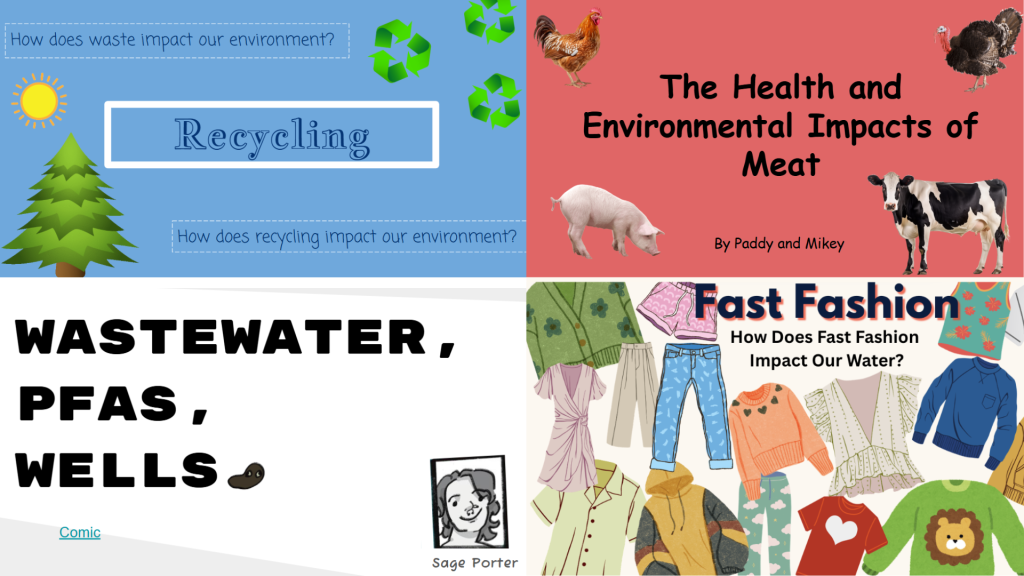
Ragan Hedstron, a teacher at Westbrook High School, has integrated the Solutionary Framework into the AllAboutArsenic+ unit for the last several years.
She developed her own project roadmap, complete with a curated set of resources to guide each step of the process. Ragan also presented to fellow AllAboutArsenic+ teachers, sharing what she values most about the Solutionary Framework and highlighting examples of her students’ work.
Ragan shared that she especially appreciates how the Solutionary framework has encouraged her students to be intentional—identifying the problems they want to address, the types of solutions they want to pursue, and the ways they can create meaningful change. In doing so, Ragan noted that it has helped her students build the skills to tackle challenges now and in the future, while empowering them to contribute to lasting, systemic change.